

Northern Nevada is one of the few markets in the West where a fixer-upper still buys you something you cannot get anywhere else in the state: genuine age. Carson City was founded in 1858 and Reno in 1868, so the older districts here hold Victorian, craftsman, and mid-century homes with real character — the kind of stock Las Vegas, a city that barely existed before 1950, simply does not have. That age is the opportunity. Across Reno, Sparks, and Carson City there are roughly 341 pre-1980 homes on the market right now, and about 97 of them list under $450,000 — well below the $594,938 Reno median — but only around 16 carry explicit "fixer," "handyman," or "as-is" language. The value is real; it is just quiet.
Buying one is a different game than buying turnkey, and Northern Nevada adds wrinkles the Southern part of the state never deals with — real winters, older heating systems, historic-district design rules, and the occasional well or septic on the edges of town. This guide is the how-to: where the older value hides across the three cities, how to finance the purchase and the renovation in one loan, what winter changes about your inspection, and how to write an offer that beats the cash investors. It is grounded in live Northern Nevada Regional MLS data and the roughly 9,600 closings our team has represented statewide. When you are ready to browse the homes, our Reno fixer-upper listings page has the current inventory; this is how you buy one without overpaying. (Buying in the South instead? The companion Las Vegas fixer-upper how-to covers the Vegas-metro version.)
To buy a fixer-upper in Reno, Sparks, or Carson City, finance the purchase and renovation in one FHA 203(k) or Fannie HomeStyle loan, hunt the older core districts holding the pre-1980 stock, and inspect the roof, heating, and plumbing hard — winters punish older systems. About 97 older homes list under $450,000 across the three cities versus the $594,938 Reno median, but only ~16 carry explicit fixer language, so speed and a clean offer win.
- Fixers cluster in the old cores — Reno's Old Southwest and Midtown, Old Town Sparks, and Carson's West Side Historic District.
- An FHA 203(k) finances purchase plus renovation with 3.5% down (HUD) — how a financed buyer competes for older stock.
- About 97 pre-1980 homes list under $450,000 across the three cities, versus the $594,938 Reno median.
- Winters change the inspection: roof snow load, older furnaces, and freeze-prone plumbing matter most here.
- Carson's West Side historic homes can carry design-review rules — confirm before you buy.
Why Are Fixer-Uppers a Better Value Play in Northern Nevada Than the South?
The Northern Nevada advantage comes down to one word: age. Because Reno and Carson City are 19th-century cities, their older neighborhoods carry housing you can genuinely restore — 1900s Victorians in Carson's West Side, craftsman bungalows in Reno's Old Southwest, and mid-century ranches throughout Sparks and east Reno. A renovated character home in one of these districts commands a premium that a 2005 tract house never will, which is exactly why the renovation math works.
The numbers back it up. According to the Northern Nevada Regional MLS, Reno shows 575 active single-family homes at a $594,938 median, Sparks 150 active at $482,500, and Carson City 169 active at $565,000. But drill into the pre-1980 stock and the discount tier appears: Reno has 205 pre-1980 homes (median $650,000, skewed by restored trophy properties), yet 37 of them list at or below $450,000 with a median of $399,900. Sparks has 74 pre-1980 homes, 35 under $450,000 (median $425,000). Carson City has 62 pre-1980 homes, 25 under $450,000 (median $415,000). That value tier — older, sub-$450K, in the established districts — is where the renovation opportunity concentrates.
According to the U.S. Census Bureau, a meaningful share of Reno's and Carson City's housing predates 1980 — far older than the Southern Nevada norm — which is precisely why real renovation candidates exist here at all. Layer on Nevada's structural advantages and the after-renovation hold or resale improves further: no state income tax, some of the lowest property-tax rates in the West, and a Reno-Sparks job engine — Tesla, Panasonic, Switch, Google, and Apple at the Tahoe-Reno Industrial Center — that keeps rental demand and resale strong. You can browse the current older inventory across all three cities from our Northern Nevada communities hub.

Where Do Fixer-Uppers Actually Hide in Reno, Sparks, and Carson City?
Renovation candidates are not spread evenly — they cluster in the districts built before the 1980s suburban push. The newer master plans (Damonte Ranch, Somersett, ArrowCreek in Reno; the Sparks Marina fringe; south Carson and Lompa Ranch) are recent construction with almost no true fixers. Hunt the old cores instead.
| City | Districts to target | Typical era | Character |
|---|---|---|---|
| Reno | Old Southwest, Midtown, Wells Avenue, Newlands/University | 1900s–1960s | Craftsman, Tudor, mid-century |
| Reno (east) | Older east Reno near downtown and the river | 1940s–1970s | Ranch, cottage, cracker-box |
| Sparks | Old Town Sparks (Victorian Square area) | 1900s–1960s | Bungalow, ranch |
| Carson City | West Side Historic District, downtown, Kings Canyon | 1870s–1960s | Victorian, craftsman, mid-century |
A note on how these homes are marketed: sellers of desirable older stock rarely use the word "fixer." A restorable Old Southwest craftsman gets listed on its bones and location, not its dated kitchen, so you find the real candidates by filtering for age and price, not just keywords. Start from the Reno community guide to learn which districts carry which era of housing before you filter. That is why our Carson City fixer-upper and Sparks fixer-upper pages scan the full older inventory, not only listings that advertise the word.
How Do You Finance a Northern Nevada Fixer-Upper?
The core problem with any fixer is that a standard mortgage lends against the home's current condition, and a bank will not release money to fix a house it does not yet own the loan on. A renovation loan solves it by financing the purchase price and the renovation budget in a single mortgage, underwritten against the home's after-renovated value. Two programs dominate.
The FHA 203(k) is the owner-occupant workhorse. According to HUD, it needs 3.5% down and comes in a Limited version (up to $75,000 in work, cosmetic-to-moderate) and a Standard version (no dollar cap, structural work allowed, requires a HUD consultant). The Fannie Mae HomeStyle is the conventional alternative. According to Fannie Mae, it needs from 5% down for owner-occupants, offers broader eligibility (including some investment properties), and lends renovation funds up to 75% of the as-completed value. Both roll purchase and repairs into one closing, so you do not need separate rehab cash. (For the full financing deep-dive — draw schedules, consultant rules, contingency reserves — see the Las Vegas fixer-upper financing guide; the loan mechanics are identical statewide.)
FHA 203(k) vs. Fannie HomeStyle — Which Renovation Loan Fits an Older Reno Home?
For Northern Nevada's older housing, the choice usually comes down to how much structural work the home needs and whether you will live in it. A 1920s Carson City Victorian that needs foundation and systems work points toward a Standard 203(k) or HomeStyle; a 1970s Sparks ranch that needs a kitchen, bath, and HVAC fits a Limited 203(k) cleanly.
| Dimension | FHA 203(k) | Fannie HomeStyle |
|---|---|---|
| Minimum down | 3.5% | 5% (owner-occupant) |
| Renovation cap | Limited: $75,000; Standard: none | Up to 75% of as-completed value |
| Structural work | Standard 203(k) only | Allowed |
| Property use | Primary residence only | Primary, second home, or investment |
| Mortgage insurance | FHA MIP (often for the loan's life) | PMI, cancellable at 20% equity |
| Best for | Owner-occupants, lower credit/down | Stronger credit, investors, larger scope |
The practical read for most Northern Nevada buyers: if you are owner-occupying and want the lowest cash-to-close, start with the 203(k). If your credit is strong, you want to avoid lifetime mortgage insurance, or you are buying a fixer as an investment near the Tahoe-Reno Industrial Center, HomeStyle usually wins. We can introduce 203(k)- and HomeStyle-experienced Northern Nevada lenders who close these regularly.
What Should You Budget to Renovate an Older Northern Nevada Home?
Older homes cost more to renovate than 1990s stock because the bones need attention, not just the finishes. Build your budget from real line items and add a 15–20% contingency — higher than you would for a newer home, because pre-1960 walls hide surprises. These ranges reflect what our clients actually spend across the region.
| Scope | Typical cost | What it covers | Loan fit |
|---|---|---|---|
| Cosmetic refresh | $25,000–$50,000 | Paint, flooring, fixtures, minor kitchen/bath | Conventional or 203(k) Limited |
| Moderate rehab | $60,000–$140,000 | Full kitchen + baths, HVAC, roof, windows | 203(k) Limited/Standard or HomeStyle |
| Full gut / historic | $160,000+ | Systems, layout, foundation, historic detail | Standard 203(k), HomeStyle, or cash |
Northern-specific line items to price in that a Southern budget skips: a new furnace and possibly ductwork ($6,000–$12,000), attic and wall insulation to survive real winters ($2,500–$8,000), roof work rated for snow load ($12,000–$30,000 depending on pitch and material), and — on older Reno and Carson homes — electrical service upgrades from 60- or 100-amp panels to 200-amp ($2,500–$6,000). If the home predates 1978, budget for lead-paint safe practices and, in pre-1960 stock, possible knob-and-tube or galvanized plumbing replacement ($8,000–$20,000). None of these are reasons to walk — they are reasons to know your number before you write.
How Does Northern Nevada's Climate Change What You Inspect?
This is the single biggest difference from buying a fixer in the South, and it is where inexperienced buyers get hurt. Northern Nevada gets real winters — freezing nights, snow, and a genuine heating season — so an older home's weak points are different. Prioritize these before you remove your inspection contingency:
- Heating system age and type. Many older Reno and Carson homes still run original or first-replacement furnaces; some older stock was converted from oil. A furnace on its last legs is a near-term $6,000–$12,000 item.
- Roof and snow load. Flat or low-pitch roofs on mid-century homes shed snow poorly. Look for ice-dam staining, sagging, and prior leaks.
- Freeze-prone plumbing. Pipes in uninsulated crawlspaces or exterior walls burst in cold snaps. Galvanized supply lines in pre-1960 homes are both corrosion- and freeze-risks.
- Insulation and windows. Single-pane windows and thin attic insulation quietly cost you every winter — and are eligible 203(k)/HomeStyle line items.
- Well and septic (edges of town). Homes on Reno's rural fringe, Washoe Valley, and outside Carson may be on well/septic — add water-quality, flow, and septic inspections.
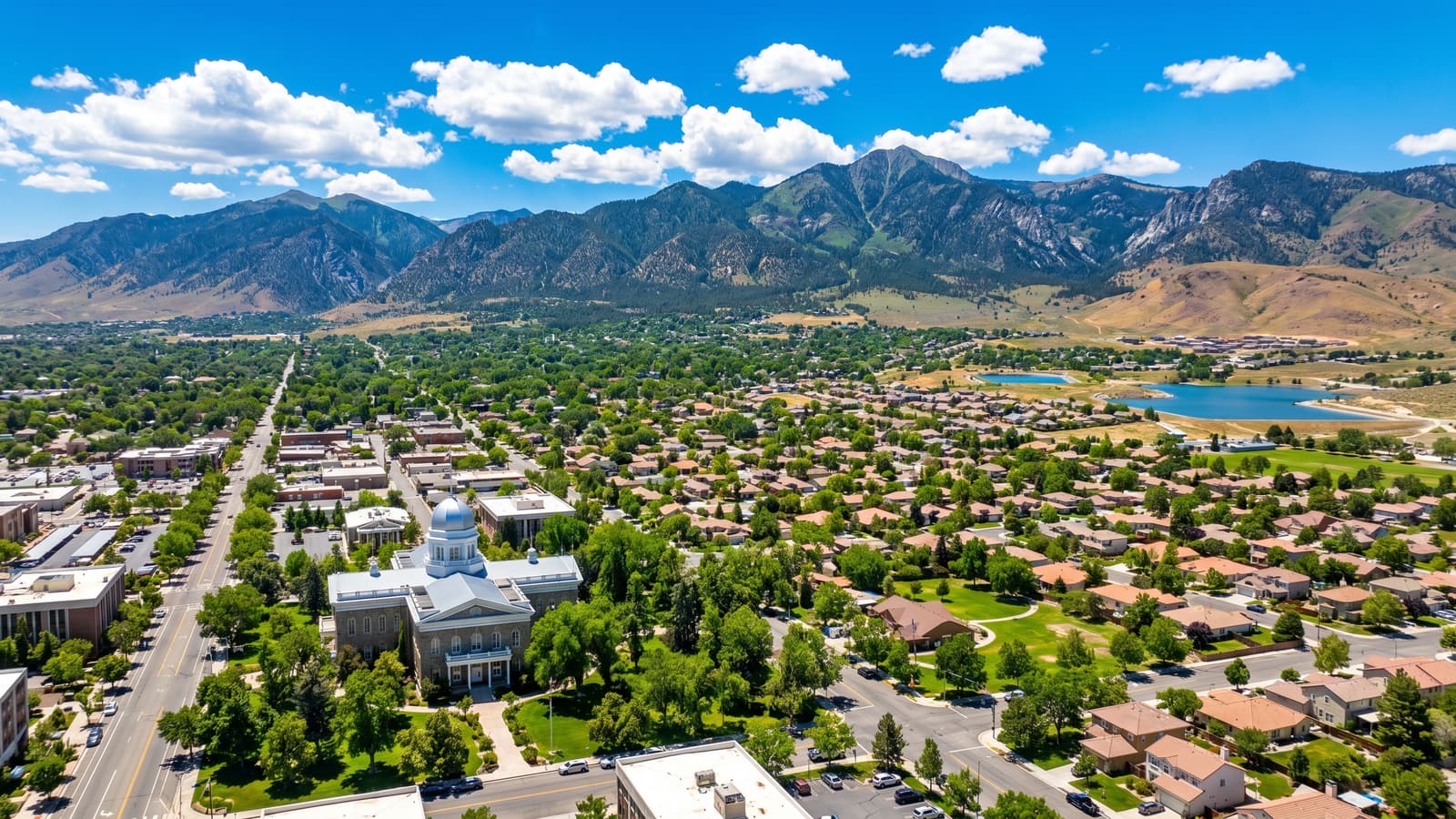
What Does the West Side Historic District Mean for Your Renovation?
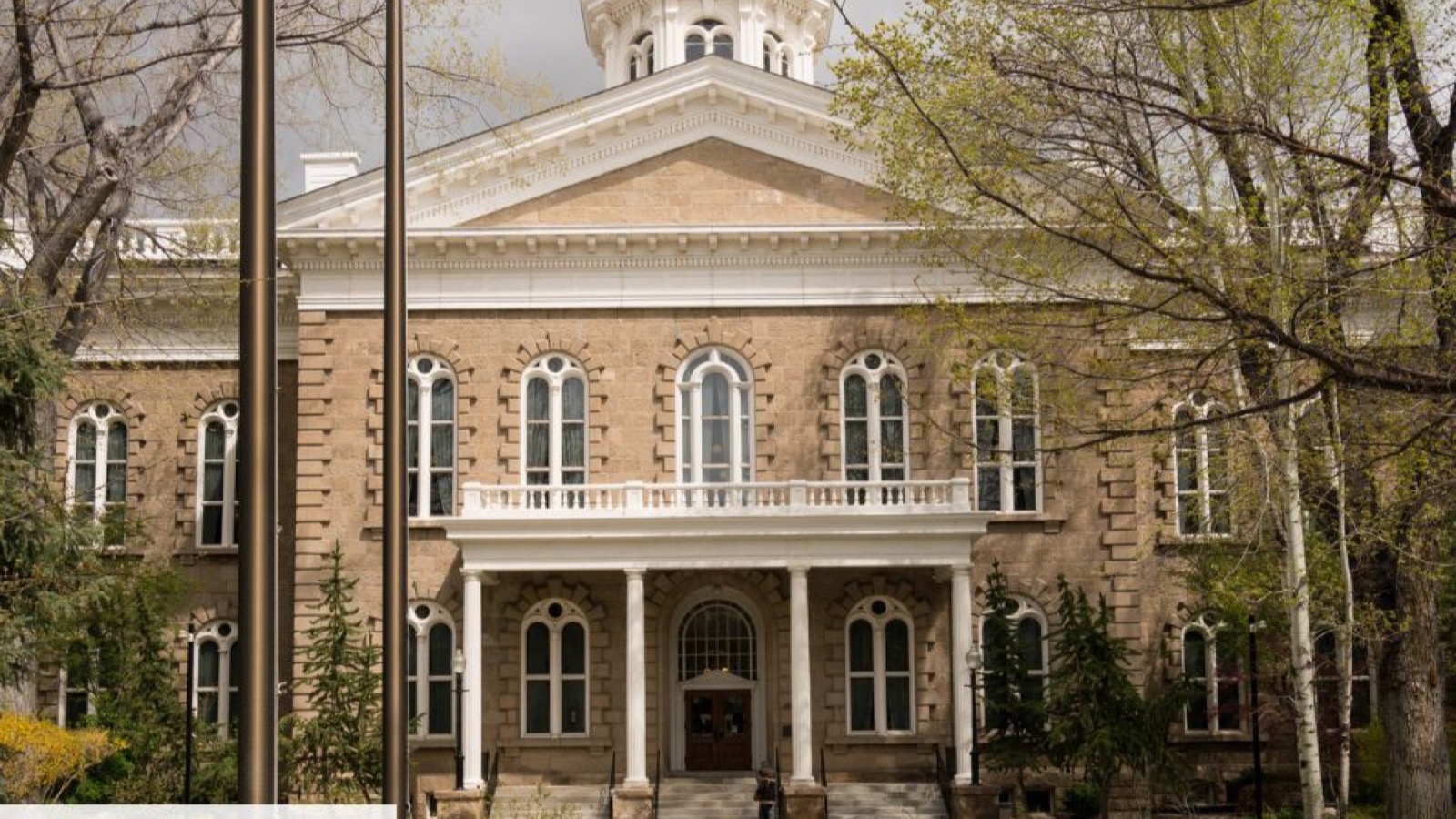
Carson City's West Side Historic District is Northern Nevada's richest concentration of pre-1900 and early-1900s homes — and it comes with something no Las Vegas fixer ever does: historic-preservation context. According to the Carson City Historic Resources Commission, homes in and around the district can be subject to design guidelines that govern exterior changes — windows, siding, porches, additions, and paint in some cases — to preserve the streetscape. That is not a dealbreaker; restored West Side homes are among Carson City's most valuable. But it changes your renovation plan.
Before you buy a home in any historic area, confirm three things: whether the property is a contributing structure in the district, what exterior changes require review, and how long that review adds to your timeline. Interior renovations are usually unrestricted, but if your plan hinges on replacing all the windows or building an addition, you want that answer before your contingency period ends. Our team knows which Carson City streets carry overlay rules and can flag them before you write. Start from the Carson City community guide to see where the historic core sits.
How Long Does a 203(k) Purchase-and-Renovation Take?
A renovation loan takes longer than a standard purchase because the lender underwrites the work, not just the home. Plan the calendar so your offer and your expectations line up.
| Phase | Typical duration | What happens |
|---|---|---|
| Offer to contract | Days | Accepted offer, earnest money, open escrow |
| Contractor bids + scope | 2–4 weeks | Licensed bids, HUD consultant (Standard), final work write-up |
| Underwriting to close | 3–6 weeks | Appraisal at as-completed value, loan approval, funding |
| Renovation | 1–6 months | Draws released as work passes inspection |
From accepted offer to a finished home, a moderate 203(k) commonly runs three to seven months. Build that into your life plan — where you live during the work, and how the draw schedule pays your contractor in stages as each phase passes inspection.
How Do You Beat the Cash Investors on a Northern Nevada Fixer?
The competition for older Reno and Carson homes is not other families — it is investors and flippers paying cash and closing fast. With only about 16 explicitly-marketed fixers active across the three cities, you rarely get a second chance at a good one. You beat cash on certainty and speed, not just price:
- Get fully underwritten first, not just pre-approved — our buyer resources walk through what that takes. A lender letter that says underwriting is done reads almost like cash to a seller.
- Line up your 203(k)/HomeStyle lender before you shop, so the renovation loan is not a surprise variable in your offer.
- Move within 24–48 hours on a genuine candidate. Have your agent, lender, and inspector on standby.
- Shorten and tighten contingencies you can — a firm inspection window, proof of funds for the down payment, flexible possession.
- Write clean. In a thin fixer market, a simple, fast, reliable offer often beats a higher one riddled with conditions.
An investor's edge is speed and certainty. A prepared, pre-underwritten owner-occupant with the right agent neutralizes most of it — and you get to actually live in the home you improve.
Should You Live In It, Flip It, or Rent It to the Tech Workforce?
Your exit strategy should be set before you buy, because it drives the loan, the neighborhood, and the scope. Northern Nevada gives you a rental angle the numbers genuinely support.
Live in it: the 203(k) at 3.5% down is built for this. You force equity through the renovation and capture Northern Nevada's appreciation while you live there — the lowest-risk path. Flip it: best with HomeStyle, hard money, or cash on a full-gut in a strong district like Old Southwest or the West Side, where renovated character homes resell at a premium; run tight numbers and watch your holding costs. When it is time to sell the finished project, our Northern Nevada seller tools show what a renovated home in your district is worth. Rent it: this is where the region shines. The Tahoe-Reno Industrial Center's employers — Tesla, Panasonic, Switch, Google, Apple — plus University of Nevada demand keep the Reno-Sparks rental market tight, and a renovated older home near downtown or the University rents well and holds value. New to the area entirely? Our Reno relocation guide covers the job market and neighborhoods in depth.
One honest check before you commit to any of the three: run the fixer math against the turnkey alternative. If a district's renovated comps do not clear your all-in cost — purchase, renovation, and holding — plus a real margin, a move-in-ready home or even Northern Nevada new construction may pencil better once you value your time and risk. The point of a fixer is the spread between what you pay to fix and what the finished home is worth, and that spread is wider in some districts than others. Compare live options both ways on our Reno-Tahoe search before you decide, and lean on your agent to model the after-renovated value on the specific street, not the citywide average.
What Are the Most Expensive Mistakes Buying an Older Northern Nevada Home?
Five errors cause most of the pain, and every one is avoidable:
- Underbudgeting the systems. Buyers fixate on kitchens and forget the furnace, panel, roof, and insulation. In an older Northern Nevada home those are the expensive, non-negotiable items — price them first.
- Skipping the winter-specific inspection. A summer walkthrough hides ice-dam damage, a dying furnace, and freeze-cracked plumbing. Inspect for the season the home actually faces.
- Ignoring historic-district rules. Falling in love with a West Side Victorian and then learning you cannot replace the windows as planned wrecks a budget. Confirm the rules first.
- Using the wrong loan. A cosmetic refresh does not need a Standard 203(k); a structural rebuild cannot use a Limited. Match the loan to the scope.
- Bringing a financed offer to a knife fight without preparation. Un-underwritten, slow, condition-heavy offers lose to cash every time. Prepared ones win.
Why Work With Nevada Real Estate Group to Buy a Northern Nevada Fixer?
Fixers are the hardest homes to buy well. You are underwriting a renovation, a loan, an inspection, and a competitive offer all at once — and in Northern Nevada you are also underwriting winter and, sometimes, history. Nevada Real Estate Group is the #1 real estate team in Nevada by RealTrends Verified, with roughly 9,600 closings behind us statewide and a Reno-Tahoe team that knows which districts hide the value, which lenders close 203(k) and HomeStyle loans on schedule, and which streets carry historic overlays. We help you find the right older home, build a budget that holds, inspect for the season, and write the offer that wins.
Ready to start? Browse the live Reno fixer-upper listings, set a saved search so you hear about new candidates first, or call our Northern Nevada team at (775) 277-2120 to talk through your renovation loan and your target districts. You can also contact us here and we will map your fixer search to the right neighborhoods and the right financing.
Frequently Asked Questions
How many fixer-upper homes are for sale in Reno right now?
Explicitly-marketed fixers are a small, fast-moving slice — around five in Reno with clear "fixer," "handyman," or "as-is" language at any given time, out of 575 active listings. The larger opportunity is the roughly 37 pre-1980 Reno homes listing under $450,000, which is where most true renovation candidates actually sit. Our Reno fixer-upper page scans the full older inventory, and a saved search will alert you the moment a qualifying home lists.
Can I use an FHA 203(k) loan on an older Carson City or Reno home?
Yes, and older Northern Nevada stock is exactly what it was designed for. Per HUD, a 203(k) lets an owner-occupant finance the purchase and the renovation in one mortgage with 3.5% down — a Limited 203(k) covers up to $75,000 in work, and a Standard 203(k) handles structural projects with no dollar cap. It works well on pre-1960 homes that need systems, insulation, and heating updates. We can introduce Northern Nevada lenders who close these regularly.
How much does it cost to renovate an older home in Northern Nevada?
A cosmetic refresh typically runs $25,000–$50,000; a moderate rehab with kitchen, baths, HVAC, roof, and windows lands $60,000–$140,000; a full gut of a historic home can exceed $160,000. Budget Northern-specific items a Southern renovation skips — a furnace ($6,000–$12,000), snow-rated roof work ($12,000–$30,000), attic and wall insulation, and possible electrical panel upgrades — plus a 15–20% contingency for surprises in older walls.
What should I inspect on a Northern Nevada fixer that I would not worry about in Las Vegas?
Winter-related items. Prioritize the heating system's age and condition, roof snow-load and ice-dam history, freeze-prone or galvanized plumbing in uninsulated spaces, single-pane windows and thin attic insulation, and — on rural-fringe homes — well and septic. These are the failure points a real Northern Nevada winter exposes, and several of them are eligible renovation-loan line items you can fold into the mortgage.
Are there rules on renovating a home in Carson City's West Side Historic District?
There can be. Homes in and around the West Side Historic District may be subject to design guidelines governing exterior changes — windows, siding, porches, and additions — to preserve the streetscape, while interior work is usually unrestricted. Before you buy, confirm whether the home is a contributing historic structure and what exterior changes require review. Restored West Side homes are among Carson City's most valuable, so the rules protect your investment as much as they constrain it.
Are Northern Nevada fixer-uppers a good investment?
They can be strong, especially character homes in Reno's Old Southwest, Old Town Sparks, and Carson's West Side, where renovated stock commands a premium. Nevada's zero income tax and low property taxes improve returns, and the Tahoe-Reno Industrial Center job base — Tesla, Panasonic, Switch, Google, Apple — keeps the rental market tight. The risk is older-system surprises, so a detailed, season-aware inspection and a realistic budget with contingency are essential.
Should I buy a fixer in Reno, Sparks, or Carson City?
It depends on budget and goal. Reno offers the most inventory and the deepest character-home districts but the highest median ($594,938); Sparks is the most affordable entry ($482,500 median) with solid Old Town stock; Carson City ($565,000 median) has the region's oldest, most historic homes and a stable state-government economy. All three have real value tiers under $450,000. Compare them side by side on our Reno vs Sparks guide or browse each city's fixer inventory directly.
Which Sources Inform This Northern Nevada Fixer-Upper Guide?
The inventory counts, price medians, and pre-1980 stock breakdowns were pulled from the live Northern Nevada Regional MLS (via our Repliers data feed) the week of publication and cross-checked against the roughly 9,600 transactions Nevada Real Estate Group has closed statewide. Renovation-loan and cost details draw on the authorities below. Figures are current as of July 2026 and will shift as the market moves; contact our team for a live read.
- HUD — FHA 203(k) Rehabilitation Mortgage — 203(k) Limited and Standard rules
- Fannie Mae — HomeStyle Renovation — conventional renovation loan
- Freddie Mac Primary Mortgage Market Survey — mortgage rate trends
- Consumer Financial Protection Bureau — mortgage and renovation-loan guidance
- U.S. Department of Veterans Affairs — VA renovation loan option
- Washoe County Assessor — Reno and Sparks property and year-built data
- Carson City Government — Carson City assessment and property records
- Nevada State Historic Preservation Office — historic-district preservation and review guidance
- U.S. Census Bureau — Reno QuickFacts — housing age and stock
- Nevada Housing Division — Nevada homebuyer programs and down-payment assistance
- Nevada Department of Taxation — property-tax rules